One of my goals this year is to write more, which means reading more. But reading is one of those things that kinda fell off for me in recent years.
I love collecting books, but they’re often heavy and too precious to carry around. I also don’t want to read long pieces on my phone or laptop. So last month, as a gift to myself, I bought a Kobo e-reader for the long commutes.
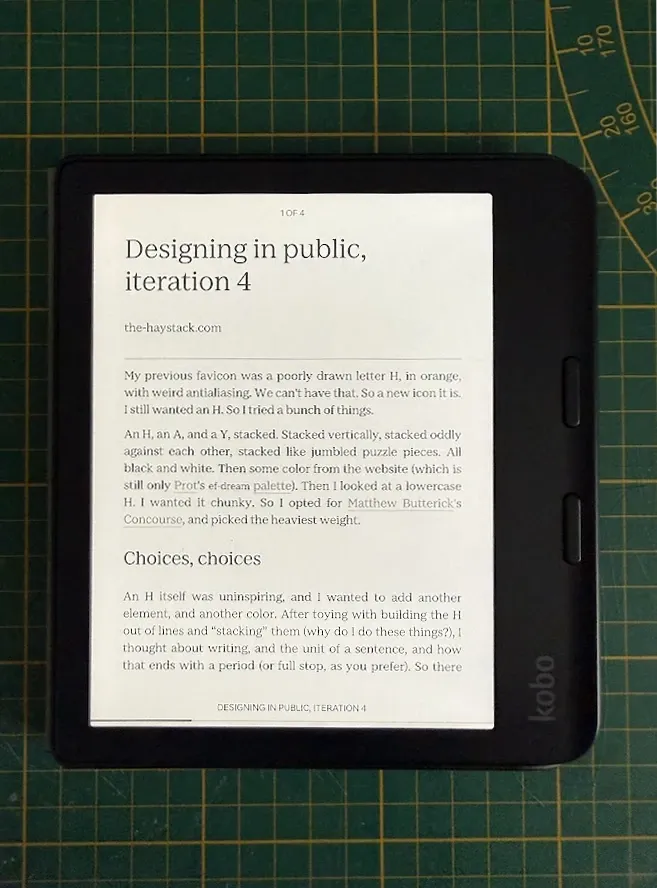
Stephen Hay is redesigning his blog in public and writing about it, and I wanted to follow along reading his updates. I also follow a set of Substacks, but the manual process of checking every blog (or my inbox) is annoying.
01 Automating things that annoy me
AI has made it cheap to automate the small things that annoy me. Where before it took a weekend to build this, now it’s up and running in a matter of minutes. In fact, it took me longer to write this blog than to make an automated flow for my e-reader.
I have a Raspberry Pi at home that runs simple batch jobs and my Kobo has an Instapaper integration. I only described how the sync should behave and which constraints to work with.
Initial prompt
I want to add a daily job on my Raspberry Pi that syncs my RSS feeds to Instapaper, which in turn syncs to my Kobo Libra Colour.
Every day, every new article from my RSS feeds is added to Instapaper exactly once. When a feed item only carries a title and link, Instapaper should end up with the original article behind that link, not just the excerpt. Adding a future feed should take one line in a file in this repo, followed by the normal commit, push and Pi pull.
Every new article lands in Instapaper exactly once. A link-only item ends up as the full article, not the excerpt. Adding a feed takes one line. “Fetch my feeds and post them to Instapaper” would probably have given me a script that works once, then sends a bunch of duplicates and excerpts. Thinking upfront about constraints made this pretty much work instantly. I’ve added Konstantin Pospelov’s feeds-to-instapaper repo as an inspiration. Source
02 How it works
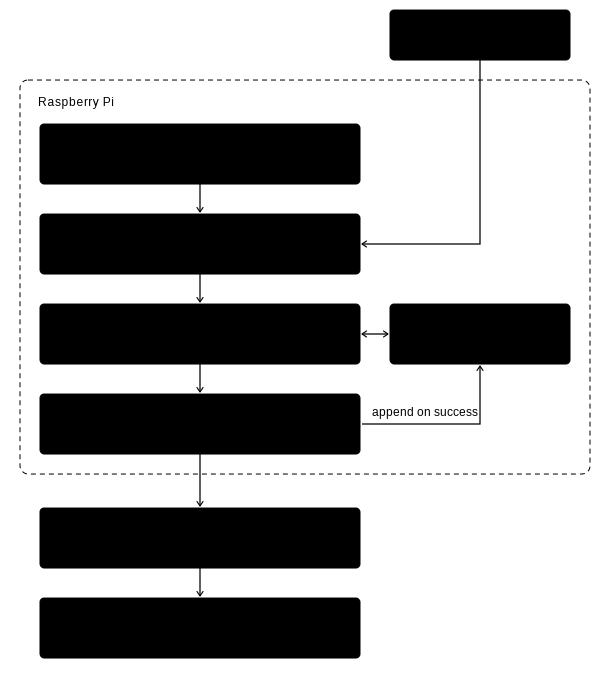
It’s quite simple. A Raspberry Pi runs one Node script a day. A systemd timer starts it at 05:30. The script reads a list of feed URLs, fetches them in parallel, and compares each item’s link against a state file of everything it has already sent. New items go to Instapaper’s Simple API as a link and a title. This only works for public feeds. Instapaper fetches the full page itself, so I get the whole article and not the feed excerpt. Then, the Kobo syncs with Instapaper and loads the articles.
Adding new feeds still requires a bit of manual hassle on the Raspberry Pi. I’ll probably automate that too once it starts annoying me.
There are a few safeguards in place. The script sends at most 50 items per run, so a broken feed that returns everything again can’t flood the Kobo. It also skips anything older than a week, so a new feed with years of backlog doesn’t dump old posts on the device. And a --seed flag marks a new feed’s current posts as already sent, so only new ones arrive.
03 The result
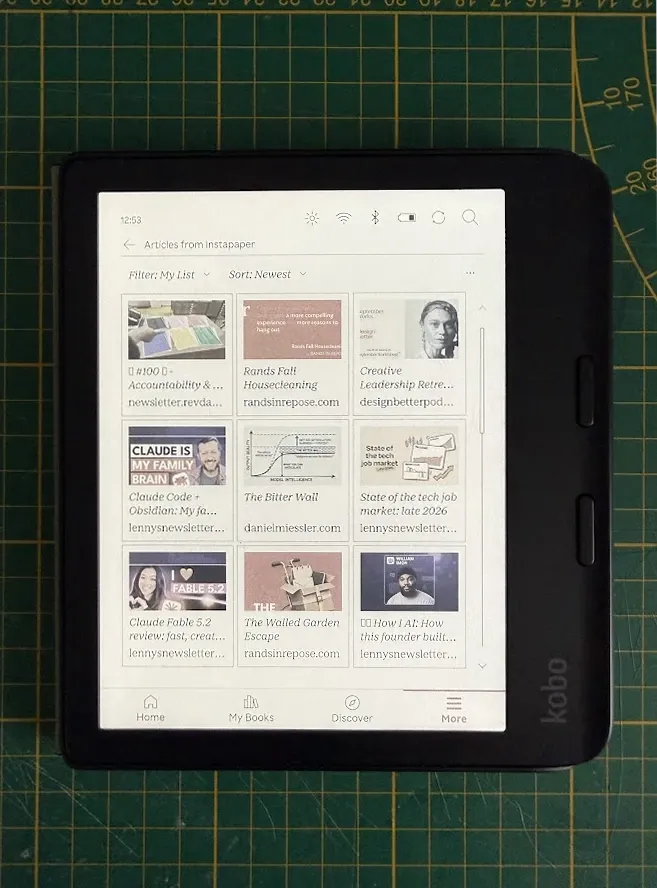
So far, it’s working pretty well. There is no app to open and nothing to keep up with. New posts are on the Kobo when I leave the house, so I can choose to read them during my commute.
I have yet to miss a single one of Stephen Hay’s posts.

About Robert
Design + Systems Thinking + Platforms + Complex Orgs
Currently I am Chapter Lead Design - Platform at Rabobank. Previously, co-founder of Tinybots and creator of social care robot Tessa.
More writing
‘Fine’ will be the new terrible
When everybody can produce the same slop, great has to come from somewhere else.
Some thoughts on reinterpretation and redesign (and death metal)
How death metal, van Gogh, and Orthodox iconography are related to redesigning banking apps.